Mergen PowerMERGEN POWER

ENGINEERING GUIDE / LOAD ASSESSMENT

Know the load before sizing the plant.

A monthly electricity bill or generator rating is not a load study. A useful assessment separates average demand, peak demand, critical circuits, starts, operating cycles and the cost of interruption.

01

Collect the operating record

Use interval metering where available and reconcile it with operating shifts, production cycles, generator logs, fuel records and known outage periods. The objective is to understand when demand occurs, not only how much energy was consumed in a month.

02

Separate average from peak

Average kW supports energy calculations. Peak kW or kVA drives equipment and network capacity. Coincident peaks matter more than the sum of every equipment nameplate because not every load operates at maximum at the same time.

03

Classify load by consequence

Critical loads may require uninterrupted or rapidly restored supply. Priority loads may tolerate short interruption. Flexible loads may be shifted or curtailed. This classification can materially change reserve philosophy and capital cost.

04

Capture starts and transient events

Large motors, compressors, pumps, refrigeration and process equipment can create starting currents or short-duration peaks far above normal running demand. These events influence generator, inverter, transformer and protection design.

05

Convert observations into a design duty

The final basis should state normal demand, peak demand, critical demand, operating hours, growth allowance, reserve requirement and any assumptions that still need verification. That becomes the traceable input for feasibility and sizing.

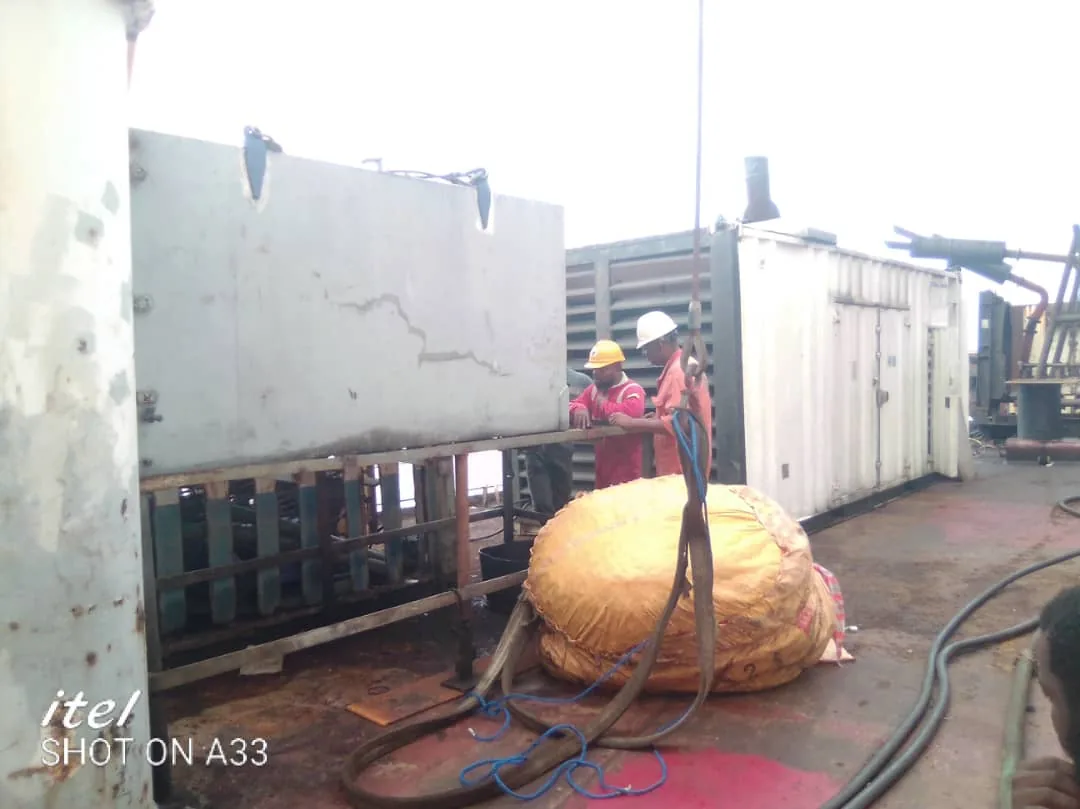
Electrical field panel representing load assessment and operating data collection
Industrial Power Load Assessment Guide / Mergen Power engineering reference

ENGINEERING BASIS / PUBLIC NOTE

Built from operating questions, not equipment catalogues.

This page explains the engineering logic used to frame an early power decision. Final sizing, commercial terms and detailed design depend on verified project data, site conditions and formal engineering work.

Technical content owner
Mergen Power
Market focus
Nigeria
Public contact
info@mergenpower.com
Page updated
7 August 2026

FIRST DECISION BASIS

Inputs that materially change the answer.

These are the early inputs Mergen would normally test before treating a configuration as a credible project basis.

01Interval demand data
02Operating schedule
03Motor and transient loads
04Critical-load register
05Outage record
06Growth allowance

PROJECT QUESTIONS

Questions owners and project teams ask.

Is a monthly electricity bill enough to size a power plant?

No. Monthly energy is useful, but it does not show peak demand, coincident operation, motor starts, critical loads or the timing of demand. Interval and operating data provide a stronger sizing basis.

Why can the sum of equipment nameplates overstate required capacity?

Not every item runs at full load at the same time. Coincidence, duty cycle and actual operating behaviour determine the real peak, although starting events and future growth still need to be checked.

What is critical-load classification used for?

It helps decide which circuits need the highest resilience and which can be interrupted or shifted. That can improve reliability while avoiding unnecessary reserve or storage capacity.

START WITH THE LOAD

Bring the operating problem.

Send the State or FCT, demand, operating hours, current supply and reliability requirement. Mergen can use that as the first engineering basis.

Send a project brief