Distributed power // Renewables // Industrial energy
Power, without compromise.
Mergen Power develops and operates resilient energy systems built around the real load — combining generation, renewables, storage and infrastructure into one dependable power architecture.

THE POWER THESIS
The job is not to install equipment.
The job is to keep the load alive.
Every project starts with demand, operating conditions and economics. Technology is selected after the load is understood - not before.
01 / ENERGY ARCHITECTURE
Build the system.
Six interacting power disciplines. Select a node to interrogate the architecture.
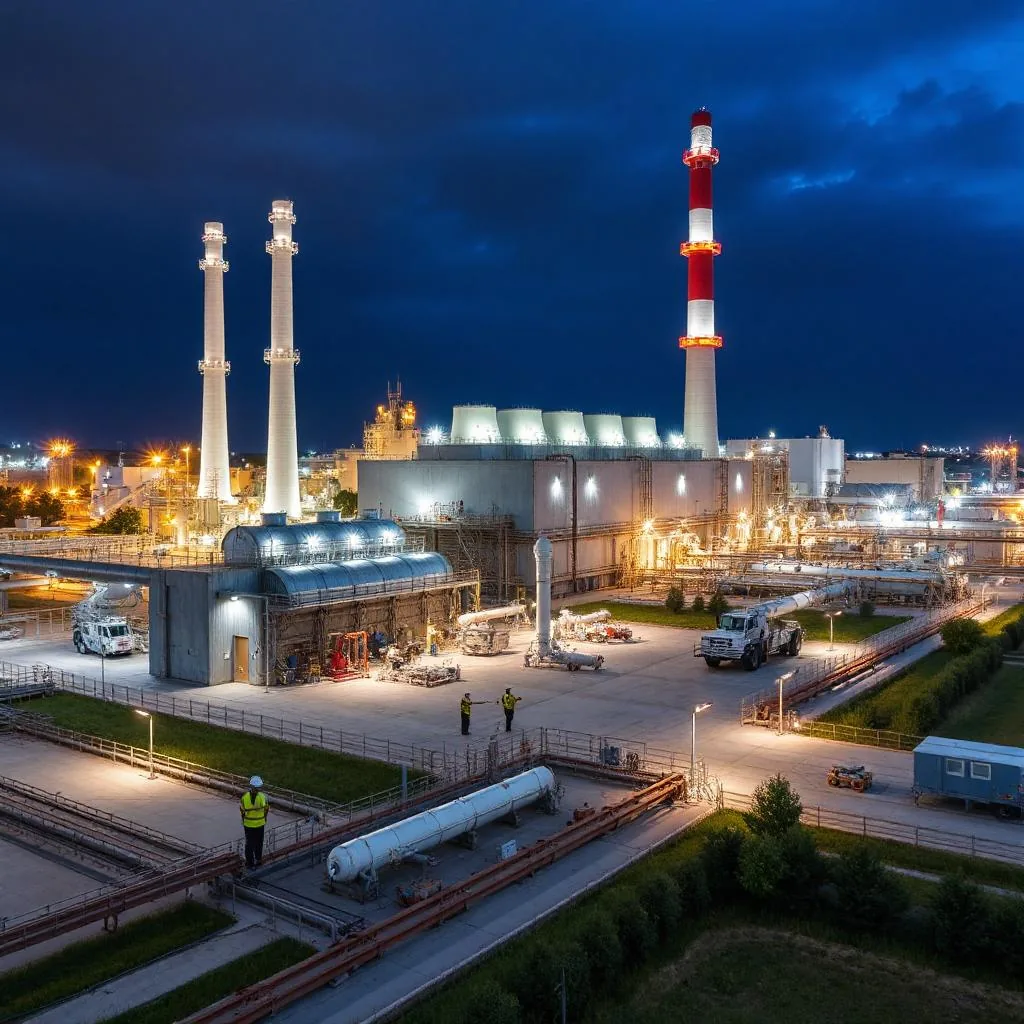
Gas & thermal generation
Prime, standby and transition generation architectures sized around load profile, fuel logistics, redundancy and maintainability rather than nameplate capacity alone.
02 / PROJECT COCKPIT
Selected systems.
Select a project for its public technical summary. Locations are shown only at State or FCT level.
03 / PROJECT ATLAS
Portfolio, by state.
A State/FCT portfolio view of Mergen activity across Nigeria. Exact site positions are not shown.
ATLAS / CONTROL
Select a state point.
Choose a marker to view the State/FCT project summary. Markers show geography only, not exact site positions.04 / DISPATCH LAB
Move the power.
 DISPATCH
DISPATCH / INPUTS
ENERGY CASE BUILDER
Turn a load into a first-pass conversation.
Use a few operating assumptions to see energy use, cost difference and simple payback. This is an early-stage calculation, not a quotation.POWER DEVELOPMENT CONSOLE
Configure the duty.
See the first engineering route.
Inputs are being reconciled against reliability, operating hours and renewable intent.
05 / FIELD ARCHIVE
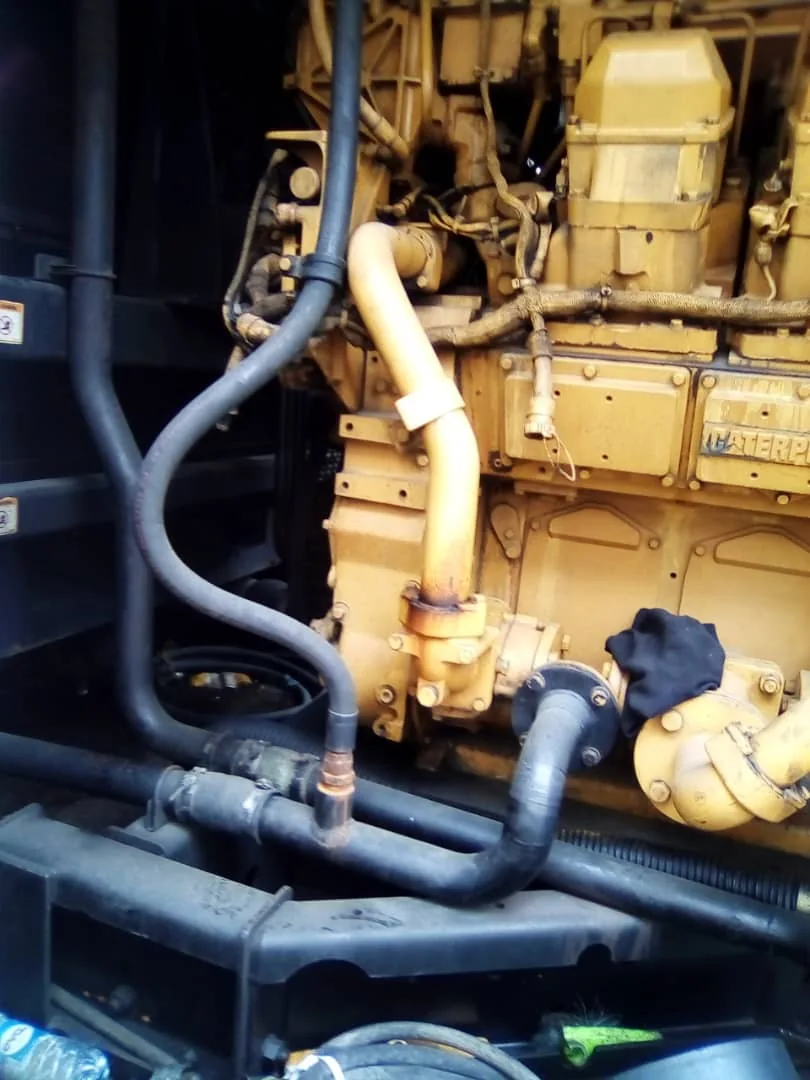
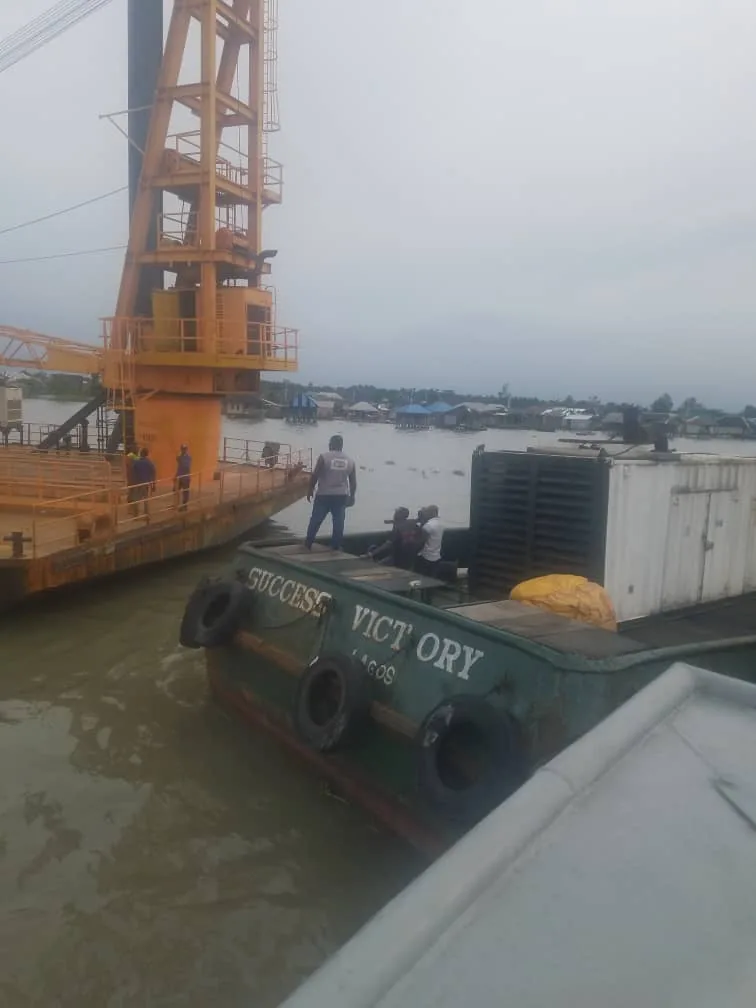
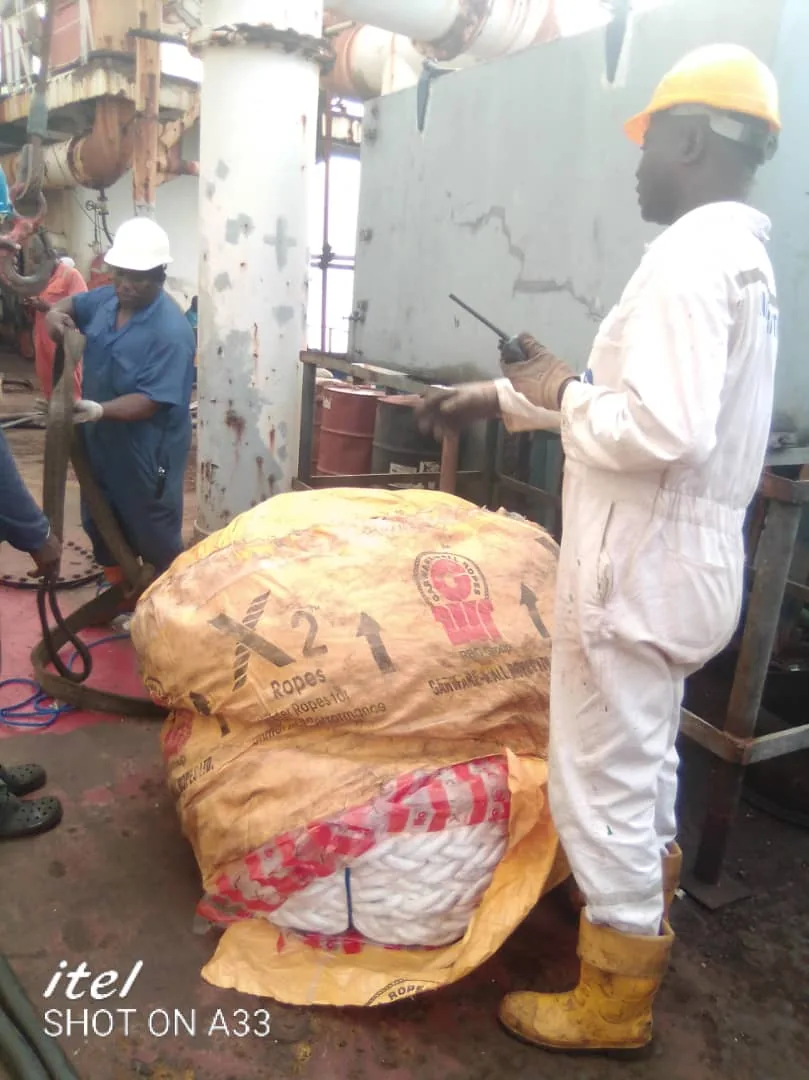
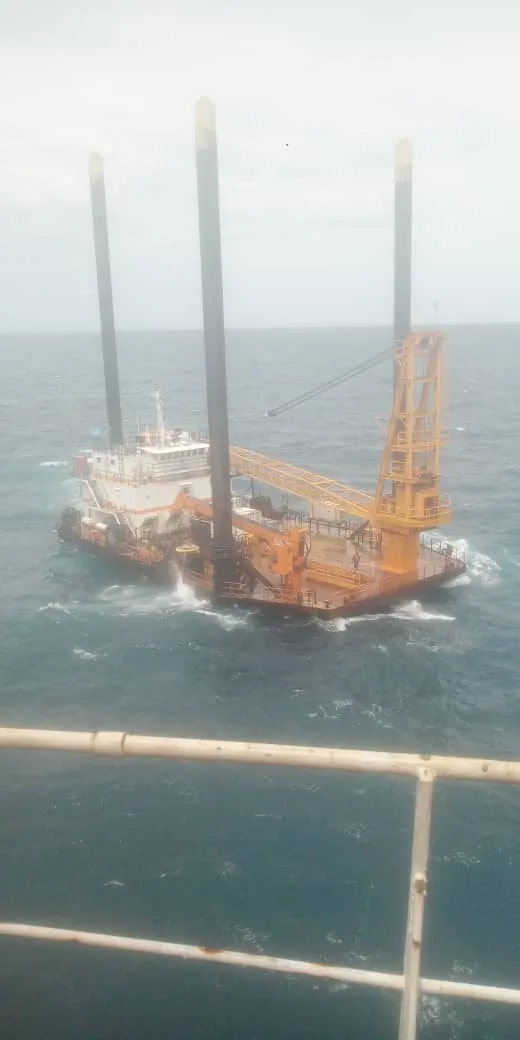
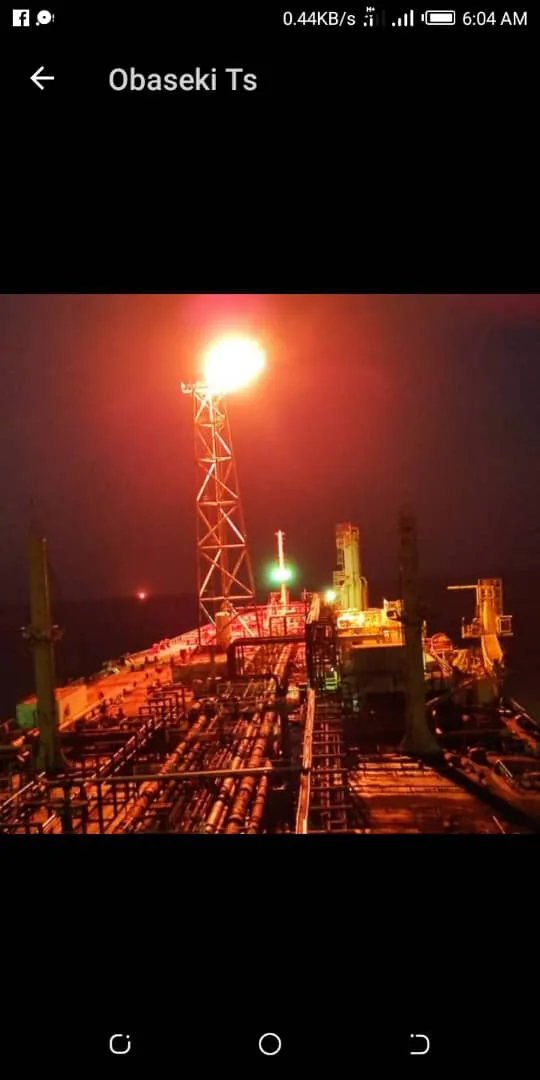
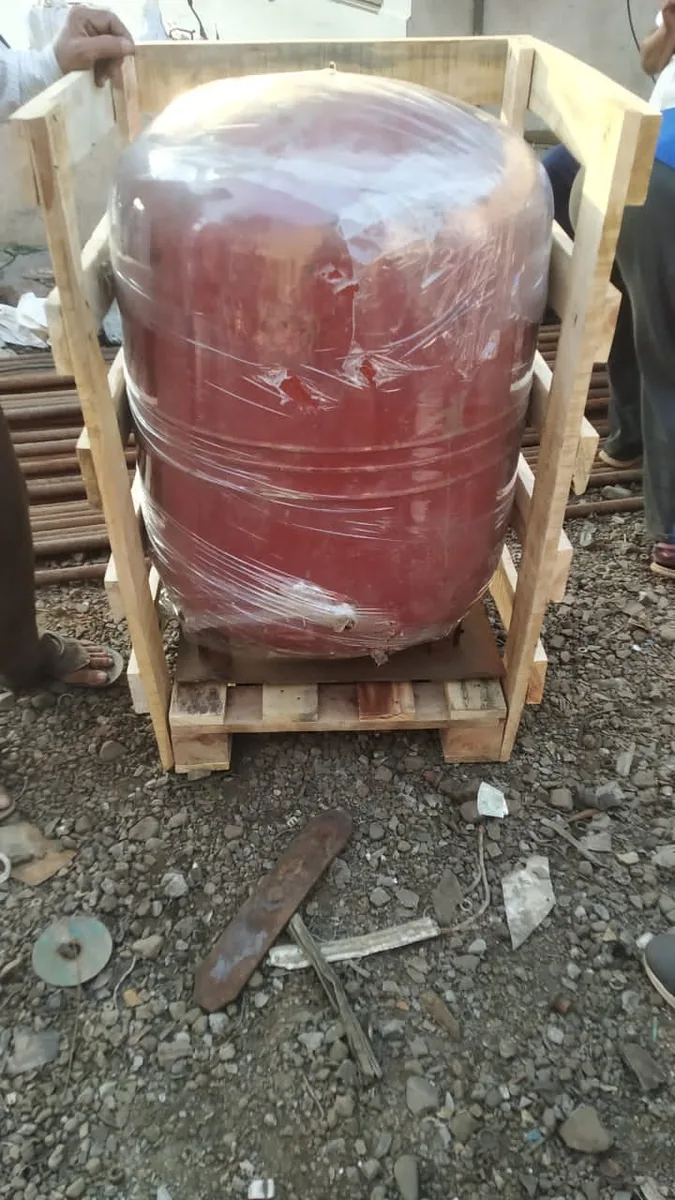
Engineering has to survive outside the presentation.
Industrial and marine power systems are judged in the field: heat, access, lifting, fuel, corrosion, maintenance, people and the condition of inherited assets. The supplied Mergen archive shows that operating context.
06 / HOW MERGEN WORKS
Power developer.
Not an equipment catalogue.
Mergen starts with the operating problem, then connects load analysis, engineering, commercial structure, delivery and lifecycle support. The five-gate method below keeps those interfaces under one project logic.
Interval demand, critical loads, power quality, fuel constraints, growth and the cost of failure.
INPUT / REALITYGeneration mix, redundancy, storage, network, protection, controls and expansion logic.
OUTPUT / BASISCAPEX, fuel, tariff, financing, utilisation, availability and contract structure are reconciled.
OUTPUT / CASEProcurement, civil works, electrical packages, testing, energisation and commissioning are sequenced together.
OUTPUT / ASSETMaintenance, spares, monitoring, response and operating discipline protect the business case.
OUTPUT / POWER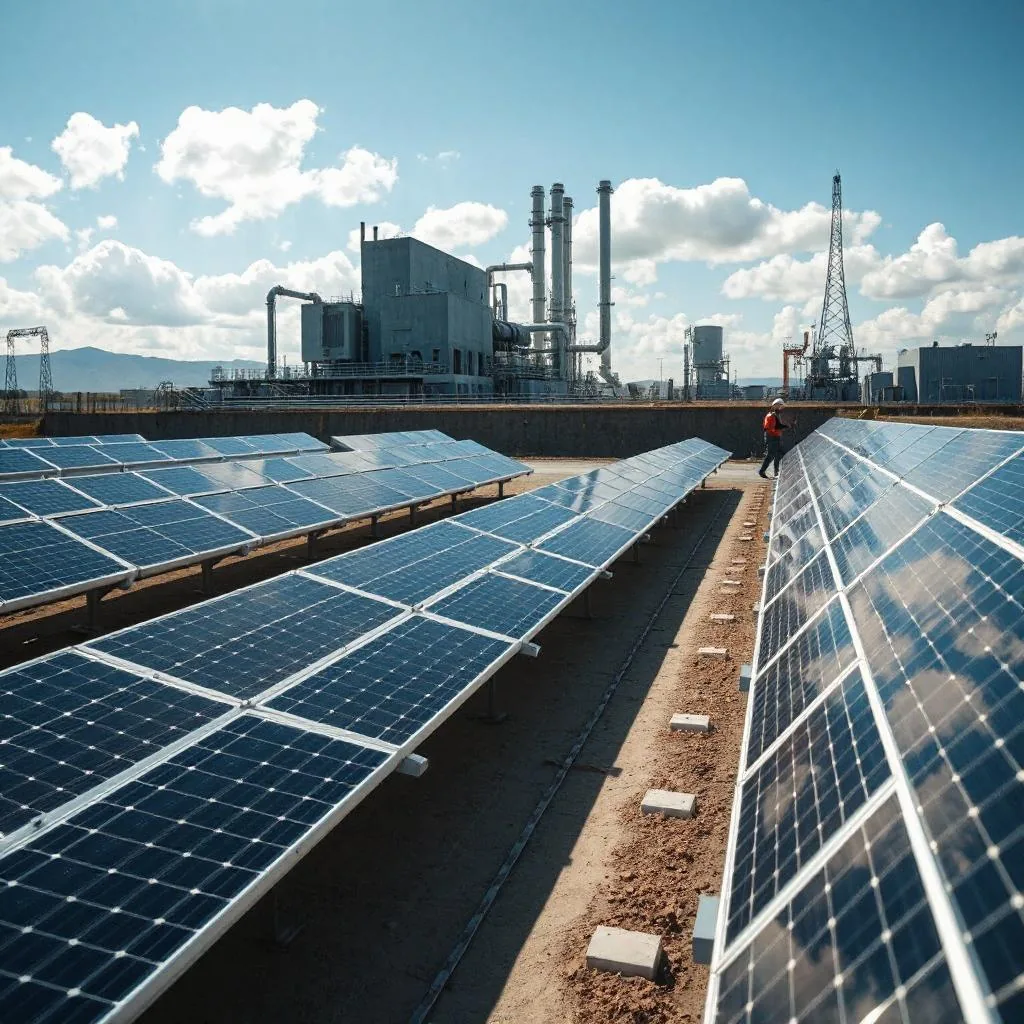

THE ENERGY MIX
Renewable is not a slogan. It is a dispatch decision.
Solar, battery storage and lower-cost firm generation are integrated where they improve total system performance. The goal is a cleaner mix that still behaves like infrastructure.
07 / SAPZ + INDUSTRIAL ZONES
Power the zone, not just the equipment.
A Special Agro-Industrial Processing Zone or industrial park is not one load. It is a changing network of processors, cold-chain assets, common services, logistics and utilities. The power design has to anticipate the cluster, not stop at the first generator.
- Anchor demand.Define critical and bankable loads before sizing the platform.
- Common-user network.Generation, substations, feeders, metering and protection are one utility architecture.
- Dispatchable energy mix.Firm generation, solar and storage are coordinated against real operating hours.
- Commercial control.Tariff, metering, connection growth and service levels remain visible from day one.
Public project information is intentionally kept at Kogi State / programme level while the load, network and generation definition develops.
08 / SOLUTIONS + MARKETS
Start with the duty.
Then build the asset.
Mergen does not force every load into the same product. Select a solution to see the engineering output, then match it to the operating market.
Embedded generation
Firm on-site generation configured around critical load, redundancy, fuel and operating hours.
SAPZ & agro-industrial zones
Common-user power for processors, cold chain, logistics and shared utilities.
Industrial facilities
Process loads where downtime, power quality and maintainability are commercial constraints.
Markets & commercial districts
Concentrated tenant loads requiring reliable supply and transparent metering.
Estates & communities
Distributed power platforms with phased connection growth and service-level control.
Public infrastructure
Institutional and public-service loads needing dependable, maintainable energy.
Developer / investor platforms
Projects requiring an integrated technical and delivery counterparty.
Opportunity
Define the operating problem, site, demand and success criteria.
Opportunity briefFeasibility
Test load, generation options, network, constraints and commercial range.
Feasibility basisEngineering
Fix the technical basis, control philosophy, interfaces and quantities.
Design basisCommercial
Reconcile CAPEX, OPEX, tariff, financing and contracting route.
Bankable caseDelivery
Procure, construct, integrate, test and energise with controlled interfaces.
Commissioned assetOperate
Protect availability through maintenance, spares, monitoring and response.
Reliable service09 / COMMERCIAL ENTRY POINTS
Where Mergen fits.
Start from the operating problem. Each route points to the relevant Mergen response.
Develop the generation, network, metering and expansion logic as one utility platform.
- TYPICAL TRIGGER
- Power is common-user infrastructure
Commercial loads need reliable supply, transparent metering and an energy cost users can understand.
- TYPICAL TRIGGER
- Diesel cost, weak supply or power-quality failure
Reliability, protection, fuel, maintainability and expansion are treated as one engineering problem.
- TYPICAL TRIGGER
- Downtime is more expensive than energy
Technical, commercial and delivery interfaces are brought into one project definition.
- TYPICAL TRIGGER
- A bankable power asset needs a delivery platform
10 / OPERATIONS + KNOWLEDGE
Keep the system moving.
Projects do not end at commissioning. Mergen keeps field lessons, approved project notes, reference material and the next commercial action connected to the work itself.
Design from the load, not the equipment list
Interval demand, critical loads and the cost of failure should determine the architecture before equipment selection begins.
Hybridisation is a control problem as much as a generation problem
Solar, storage and firm generation only create value when dispatch, reserve, protection and operating priorities are coordinated.
A zone needs a utility logic, not isolated generators
Common-user generation, distribution, metering, tariff logic and expansion planning should be defined together for industrial clusters.
11 / START A PROJECT
Give us the load.
We will work out the system.
Send the site, demand, hours of operation, current energy source and the problem you are trying to solve. If the data is incomplete, start with what you have.